Affiliate disclosure: If you buy through an eBay link here, Nostalgik Vibes may earn a commission at no extra cost to you.
A toy from the 1990s can be a favorite memory, a display piece or something you are trying to identify from a storage box. Its value cannot be determined from the decade or brand name alone. Start with the exact item and its condition.
Build an Identification Record
- Photograph the toy from several angles.
- Record maker markings and product numbers.
- Measure its size.
- List all accessories and packaging.
- Note visible wear, damage and repairs.
- For electronics, distinguish tested functions from assumptions.
Use those details to search for a matching release. Similar-looking versions, later reissues and regional packaging can produce misleading search results if you rely only on a character name.
Electronics Need a Separate Check
Ask which features were tested and whether operation was consistent. Request photos of the battery compartment and mention missing covers or corrosion in your notes. An unopened box does not show whether old electronics work.
For Furby and related collecting questions, see our Care Bears, Furby and Littlest Pet Shop guide.
Count Small Pieces
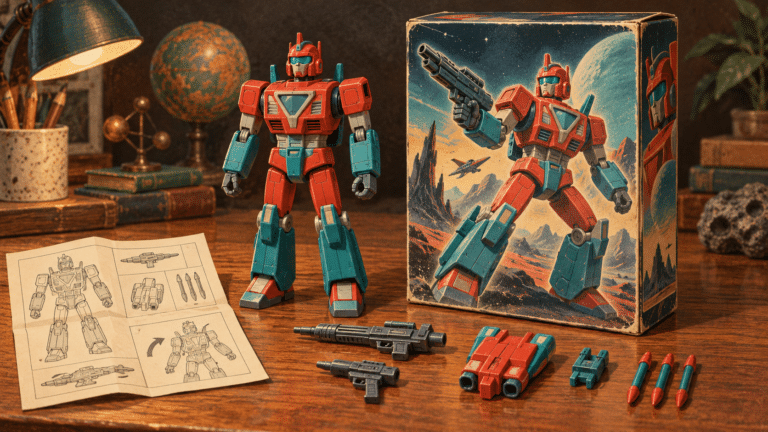
Figures, playsets and compact toys may depend on small accessories for completeness. Compare with instructions or a parts list for the exact release, and ask about replacements. “Includes everything pictured” is different from a verified complete set.
Research Completed Sales
Match the release, condition, contents and packaging. Separate asking prices from transactions. eBay’s pricing guidance explains the use of comparable completed listings.
A viral list can mix exceptional items, ordinary copies and unrelated variants. Record why each comparison actually matches your toy. If few reliable matches exist, the price evidence is limited.
Match the kind of toy to the right checks
| Type of toy | Details to record | A comparison to avoid |
|---|---|---|
| Action figure | Maker marks, size, costume or paint details, joints, accessories and packaging. | A loose figure without accessories compared with a sealed example. |
| Electronic toy | Model markings, battery compartment, battery cover and exactly which functions were tested. | An untested item described as equivalent to a demonstrated working one. |
| Compact or playset | Product markings, all small pieces, hinges, closures and any broken tabs. | A set with replacement pieces compared with one documented as all original. |
| Plush toy | Size, sewn label, hang tag if present, seams, stains and odors disclosed by the seller. | A similar character in a different size or release treated as the same item. |
Build a useful price comparison
Make a shortlist of completed sales and keep each sale’s link and date. For each one, record the exact release, condition, included parts, packaging, sale price and shipping. Exclude listings whose photographs or descriptions leave the identity unclear.
Imagine you find three versions of the same playset: a loose base, a base with some accessories, and a boxed set with a documented contents list. Those are three different comparison groups. Averaging their prices would hide the feature you need to understand: what the buyer actually received.
Start by comparing your toy with the closest group. If there are only one or two convincing matches, report that limited evidence rather than presenting a precise “market value.” If you are buying, set your budget from the actual copy and its total delivered cost.
Ask for the missing photograph
- Identity unclear? Ask for the maker mark, product number and packaging label.
- Completeness unclear? Ask for every included piece laid out in one photo, plus close-ups of small parts.
- Condition unclear? Ask for the underside, joints, hinges, closures and any damaged area.
- Electronics unclear? Ask what was tested, what did not work and for a clear battery-compartment photo.
For boxed examples, use our complete-in-box buying checklist; the checks for packaging, inserts and disclosed replacements are useful beyond the 1980s. Our CIB versus loose comparison guide helps separate completeness from box condition.
Choose Your Next Step
If you want to keep the toy, decide how to display or store it without stressing fragile pieces. If you want to sell, describe the specific item honestly and show defects. If you want to buy, resolve uncertain details before ordering. Age alone does not establish rarity or predict appreciation.
Browse Current Inventory
See current toy listings. Examples in this guide are not a promise of current stock. Check each listing for its exact edition or release, contents and condition.
Explore related listings on eBay. These are external listings; review each seller’s description and terms.
Updated November 2026.
By Beau Ferguson, Nostalgik Vibes.