
— SILO 3 · ERA-DEFINING COMICS
Bronze Age & Silver Age Comics For Sale
Silver age first appearances, bronze age horror keys, and the era-defining issues that built modern comic collecting. Every key authenticated, era-verified, and shipped insured nationwide.
What Is the Silver Age? What Is the Bronze Age?
The Silver Age of comics runs roughly from 1956 to 1970. It opens with the publication of Showcase #4 and the reintroduction of the Flash, which kicked off the modern superhero revival. This is the era of nearly every Marvel hero you know — Spider-Man, the X-Men, the Fantastic Four, the Hulk, Iron Man, the Avengers — first appearing in print. Silver age books are the bedrock of investment-grade comic collecting.
The Bronze Age runs from approximately 1970 to 1985. It is defined by darker, more socially aware storytelling, the rise of new heroes (Wolverine, Punisher, Ghost Rider), and the famous bronze age horror boom (Tomb of Dracula, Werewolf by Night, Frankenstein). Bronze age books offer some of the best value-to-significance ratios in the entire collecting market right now.
Why Bronze Age Comics Are Surging in 2026
Silver age keys have been climbing for decades and many are now out of reach for most collectors. Bronze age comics are the smart-money play right now: they have nostalgic resonance for the largest collecting demographic, they include genuinely scarce books, and they are not yet priced like silver age. Bronze age horror in particular has been having a moment — Tomb of Dracula #10 (first Blade), Werewolf by Night #32 (first Moon Knight), and the early Marvel monster series have all seen sustained price growth tracked by services like GoCollect.
Bronze age first appearances of characters who later got Marvel or DC adaptations on screen tend to spike when those adaptations are announced. Following the studio slate is a real edge.
How to Identify a True First Printing
Reprints, second printings, and foreign editions can look almost identical to first printings unless you know what to look for. The basics:
- Cover price and date: First printings carry the original cover price and month. Reprints often carry a later date or a different price structure.
- Indicia: The fine-print copyright box on the inside front cover or first page lists the printing date and edition. This is your ground truth.
- UPC and barcode: Direct edition (diamond logo) vs newsstand (UPC barcode) impacts both authenticity and value — for many bronze age and silver age books, the newsstand version is much rarer.
- Foreign editions: Foreign-language editions are an emerging niche. They are NOT first printings of the US edition, but they have their own collecting market — and they are often mistaken for reprints when they are actually rare regional issues.
Bronze Age vs Silver Age: Which Should You Collect?
If your goal is investment with the longest track record, silver age keys are the safest. They have been appreciating for over five decades and the supply of high-grade copies will only shrink. The downside is the entry price — a high-grade copy of any major silver age key is now a five- or six-figure purchase.
If your goal is investment with strong upside and a more accessible entry point, bronze age is hard to beat in 2026. You can still find investment-grade copies of major bronze age keys for under $1,000 in many cases, and the demographic and adaptation tailwinds are real.
If your goal is reading or building a run, both eras are deeply rewarding. We are happy to help you decide based on what era of stories actually pulls you in — that is the collecting that lasts.
— FROM THE VAULT
Currently Available Era Comics
-
Toys
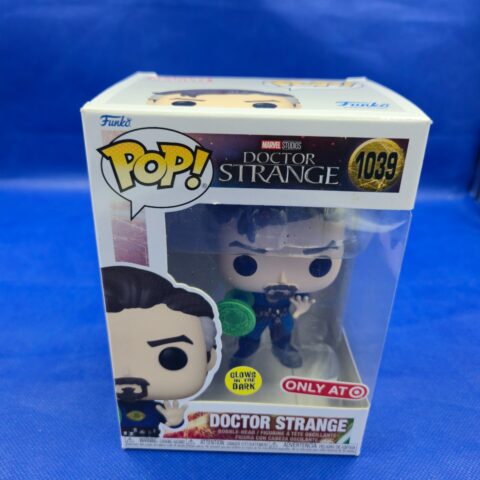
Funko POP! Doctor Strange – Glow in the Dark Target Exclusive Vinyl Figure – NIB
$12.72 Add to cart -
Toys
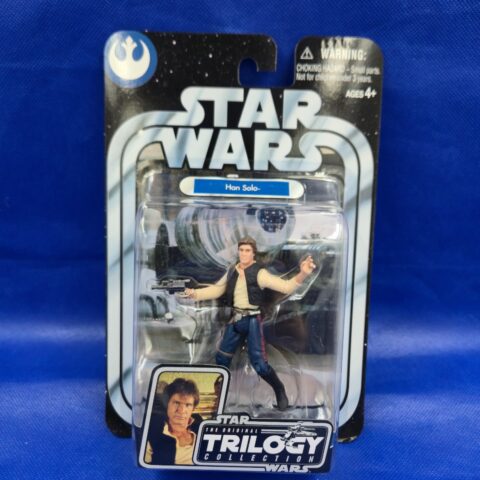
Star Wars Han Solo Action Figure – The Original Trilogy Collection – 3.75” – MOC
$19.95 Add to cart -
Toys
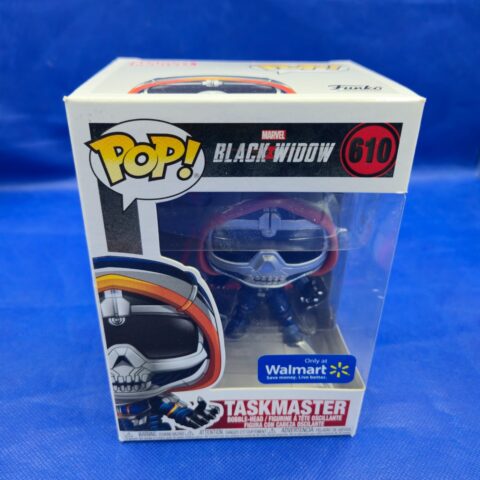
Funko POP! Marvel Taskmaster #610 – Black Widow – Walmart Exclusive – Vinyl
$9.95 Add to cart -
Toys
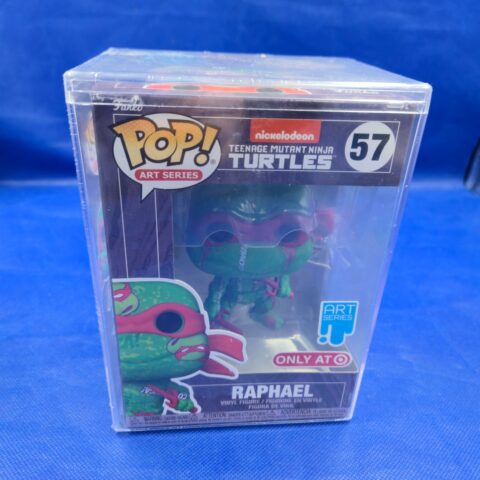
Funko POP Art Series Raphael TMNT #57 Target Exclusive w/ Hard Stack
$14.95 Add to cart
— COLLECTOR QUESTIONS
Frequently Asked About Era Comics
Q. What years define the Bronze Age and Silver Age?
Silver Age runs roughly 1956 (Showcase #4) to 1970. Bronze Age runs from approximately 1970 to 1985. Some collectors and price guides use slightly different cutoffs, but these are the widely accepted ranges.
Q. What are the most valuable Bronze Age keys to watch?
Bronze age horror keys are surging right now — Tomb of Dracula #10 (first Blade), Werewolf by Night #32 (first Moon Knight), Marvel Spotlight #5 (first Ghost Rider), and Giant-Size X-Men #1 (Wolverine’s second appearance) are all on most collector watch lists.
Q. What is a foreign edition comic?
A foreign edition is a version of a US comic published in another country (UK, Mexico, Brazil, Italy) with translated text or different cover art. They are not first printings of the US edition, but they have their own collecting market and many are genuinely rare. Smart bronze age collectors are buying them now before broader awareness spreads.
Q. How do I know if my comic is a true first printing?
Check the indicia (the fine-print box) on the inside front cover or first page — it lists the printing date and edition. The cover date and price should match the original release. Reprints and second printings will have a later date or different print run information disclosed in the indicia.
Q. Direct edition vs newsstand — which is more valuable?
For many silver age and bronze age books, newsstand editions (with the UPC barcode) are now significantly rarer than direct editions (with the diamond logo). Newsstand copies were sold to general retail and most got destroyed or read to pieces. For high-value keys, the newsstand version often commands a premium.
— DEEPER DIVES
Learn More About Era Comics
Hunt Your Era Key
Silver age first appearances and bronze age investment-grade keys, refreshed every Friday.